
Efficient and Innovative Recycling Plastic Machines for Sustainable Waste Management
By:Admin
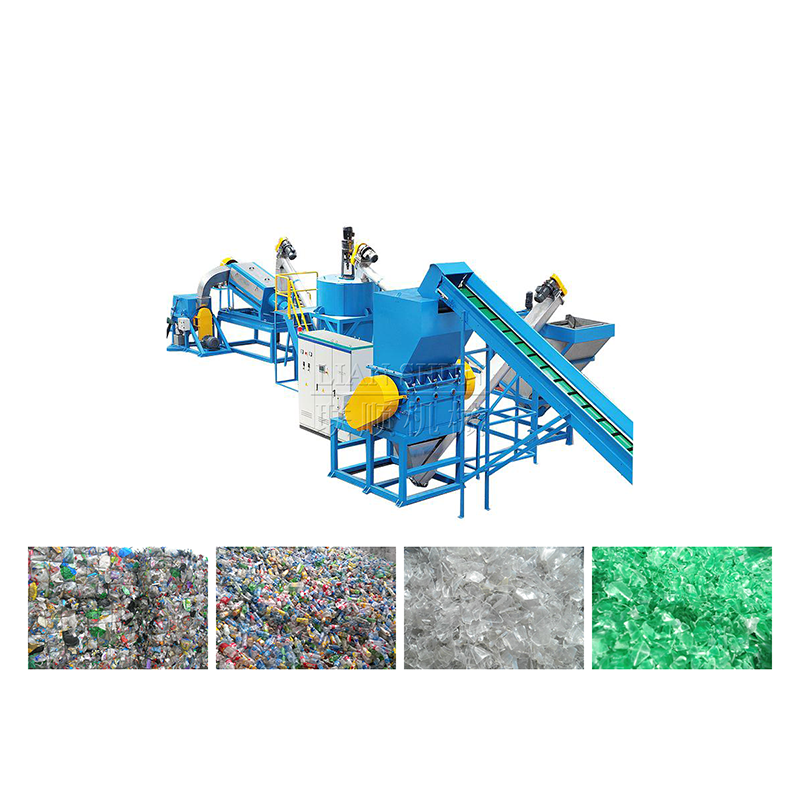
In recent years, the global push towards sustainable waste management has gained tremendous momentum, with many companies investing heavily in cutting-edge technologies aimed at reducing plastic pollution. One such breakthrough is the emergence of advanced recycling plastic machines that are redefining how plastic waste is processed, reused, and integrated back into the production cycle. These innovative machines enable efficient, eco-friendly recycling processes, facilitating a circular economy while addressing the pressing issue of plastic waste accumulation.
**Technological Advancements Driving the Industry Forward**
Recent innovations in recycling plastic machines have introduced highly automated, energy-efficient solutions capable of handling a wide variety of plastics. These machines support operations from collection and sorting to shredding, cleaning, pelletizing, and remolding, thereby streamlining the entire recycling workflow. The versatility of the equipment allows for processing diverse plastic types, including polyethylene terephthalate (PET), high-density polyethylene (HDPE), polypropylene (PP), and other commonly used polymers.
Equipped with state-of-the-art features such as intelligent sorting systems, automated feeding mechanisms, and real-time monitoring controls, these recycling machines significantly reduce human error and maximize operational efficiency. Furthermore, by employing environmentally friendly cleaning technologies and minimizing water and chemical consumption, they help reduce the ecological footprint typically associated with plastic processing plants.
Some machines incorporate advanced extrusion technology to recycle plastics into uniform pellets, which manufacturers can easily reuse to produce new plastic products. This closed-loop process not only minimizes plastic waste but also reduces demand for virgin plastic resin, contributing to lower carbon emissions and conservation of natural resources.
**Sustainability and Economic Benefits**
Beyond environmental advantages, the adoption of modern recycling plastic machines offers substantial economic incentives. Companies are finding that investing in such technology leads to cost savings by reducing landfill fees, cutting raw material expenses, and generating valuable recycled plastic commodities. The recyclate produced meets strict industry standards, ensuring compatibility with existing manufacturing processes and maintaining product quality.
In addition, governments worldwide are increasingly implementing regulations and incentives aimed at promoting recycling and waste reduction. Organizations equipped with advanced recycling machines are well-positioned to comply with these policies, avoid penalties, and potentially benefit from tax credits and subsidies. This strategic alignment with regulatory frameworks enhances corporate social responsibility profiles and appeals to environmentally conscious consumers.
**A Company Leading the Charge in Plastic Recycling Innovation**
At the forefront of this technological wave, one company has garnered attention for its comprehensive range of recycling plastic machines tailored to meet the diverse needs of a global clientele. Established with a mission to tackle plastic pollution through innovation and sustainability, the company has developed an integrated portfolio of machinery that encompasses sorting, washing, shredding, pelletizing, and extrusion.
Its recycling solutions are designed for scalability and customization, supporting small-scale operations as well as large industrial enterprises. The company’s machines are recognized for their durability, ease of operation, and minimal maintenance requirements, making them a preferred choice across various sectors including packaging, automotive, electronics, and consumer goods.
Moreover, the company prioritizes research and development, continuously enhancing its technology based on customer feedback and emerging industry trends. Collaborations with environmental organizations and academic institutions help ensure that their solutions remain at the cutting edge of eco-friendly manufacturing practices.
**Global Impact and Future Prospects**
The rise of advanced recycling plastic machines marks a pivotal shift in the global approach to plastic waste management. By enabling efficient material recovery and reintegration, these machines contribute significantly to reducing landfill dependence and marine pollution. Importantly, they also promote a circular economy model, where materials are kept in use for as long as possible, extracting maximum value before recovery and regeneration.
Looking ahead, continuous innovation in machine design, automation, and energy efficiency is expected to expand the applications and accessibility of plastic recycling technology. Emerging trends such as the integration of artificial intelligence for enhanced sorting accuracy, IoT for predictive maintenance, and renewable energy-powered operations promise to further revolutionize the sector.
With growing awareness and international collaboration, the combined efforts of technology providers, governments, businesses, and consumers can accelerate the transition towards sustainable plastic use and disposal. This paradigm shift not only addresses environmental challenges but also unlocks new economic opportunities and fosters resilient communities.
**Conclusion**
The development and deployment of advanced recycling plastic machines signify a major leap forward in managing plastic waste effectively and responsibly. By delivering high-performance, environmentally conscious, and economically viable solutions, these machines play a crucial role in building a sustainable future. Companies that embrace this innovation not only contribute to global environmental goals but also gain competitive advantages in an increasingly eco-focused marketplace. As the world continues to grapple with plastic pollution, such technological advancements will be instrumental in transforming waste into valuable resources, thereby reshaping industries and preserving the planet for generations to come.